There's an idea that goes around a lot of gyms.
If you can't walk down the stairs the next day, it was a good workout.
No pain, no gain.
I understand where it comes from.
But after more than twenty years coaching people, I can tell you calmly that this is not how you build a strong, healthy body.
Effort, discomfort and pain are not the same thing
Training well takes effort.
You'll feel your muscles working, your breathing speeding up and, in the last reps, that urge to stop.
That's normal and part of the process.
Discomfort can show up too, especially when you start a new exercise or increase the load.
It's your body adapting to a new stimulus.
Pain is a different story.
A sharp pain in a joint that appears during a specific movement is a signal.
It's not something to be proud of.
It's information you should listen to.
Your body talks. Smart training learns to listen.
What about that muscle soreness two days later?
Sore muscles a day or two after training can happen, especially when you're starting out or changing the type of exercise.
It's not a problem.
But it's not the measure of your progress either.
Over time, with well-planned progression, it tends to fade.
That doesn't mean your training got easier.
It means your body adapted.
So how do I know I'm progressing?
Progress shows up in things more concrete than exhaustion:
- You can do the same exercise with more control.
- The load goes up gradually, without losing technique.
- Climbing stairs, carrying shopping or playing with your kids feels easier.
- You recover better from one session to the next.
- You have more energy during the week.
These are the signs that matter.
None of them depend on leaving the gym wrecked.
The role of coaching
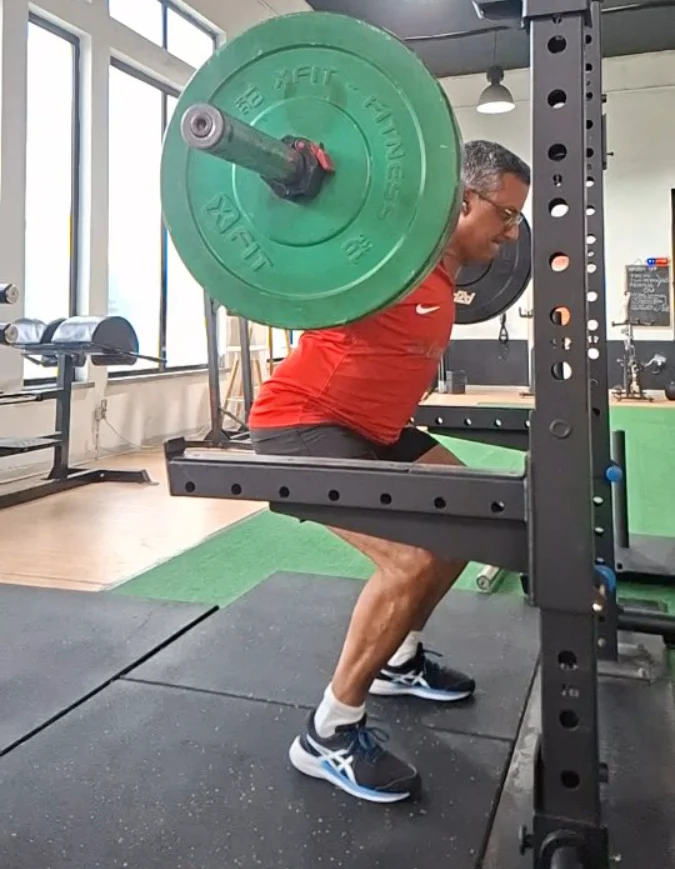
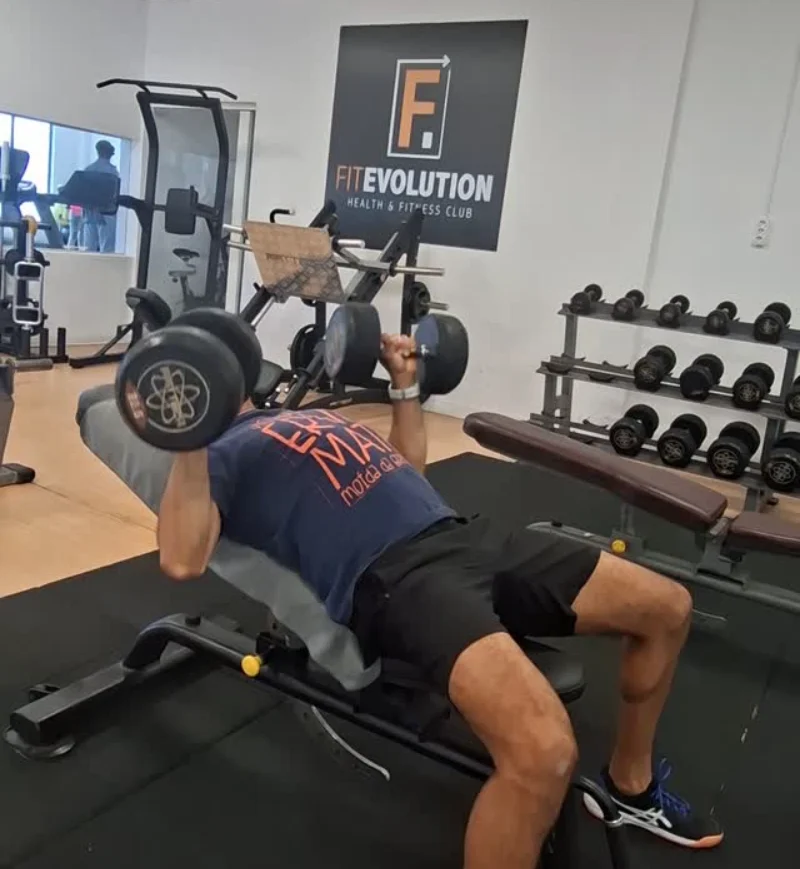
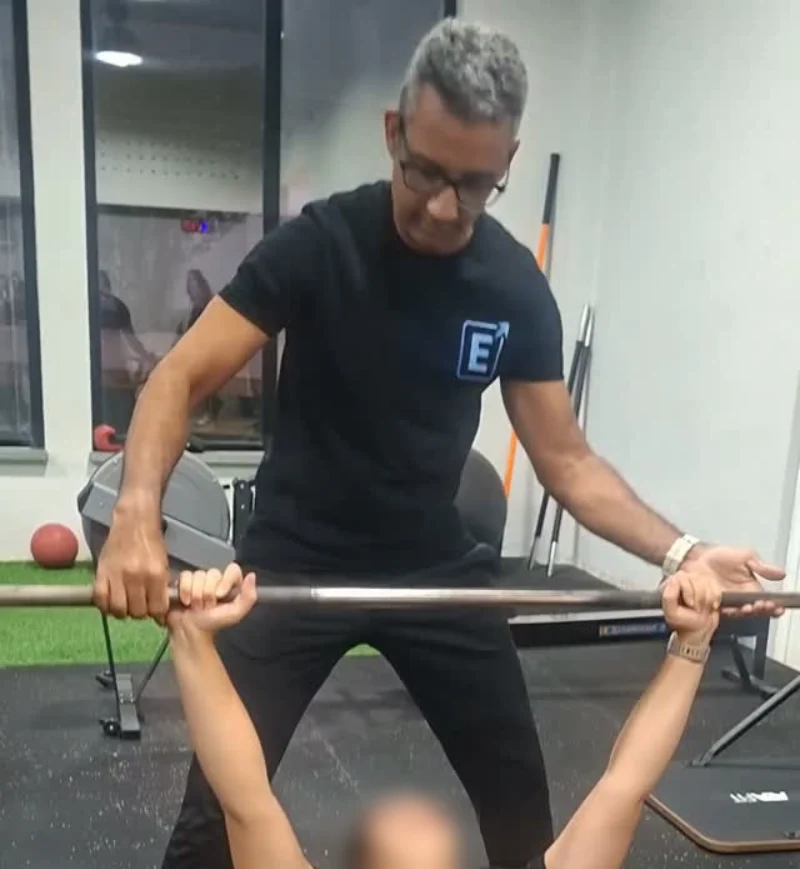
When I train someone, I watch the movement closely.
I adjust range, load and pace to how the person responds that day.
Some days are for pushing harder.
Some days are for easing off.
This is what lowers the risk of injury and lets you keep training week after week.
Because the best workout isn't the hardest one.
It's the one you can repeat consistently, for a long time.
An important note
If you have pain that doesn't go away, gets worse with movement or always shows up in the same place, talk to a doctor or physiotherapist before you continue.
Training should add to your health, never take away from it.
If you want to train safely with someone who pays attention to these details, book a first chat.
We'll start from your starting point.